
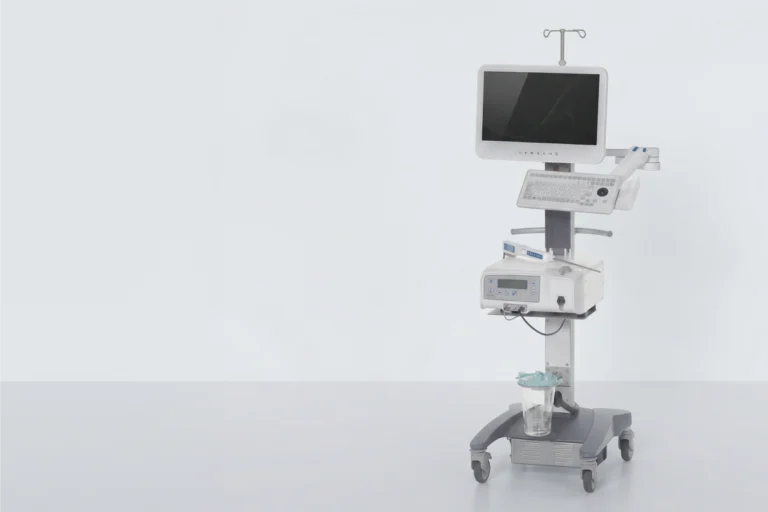
Aquabeam treatment for benign prostatic hyperplasia

The Aquabeam system is an innovative, minimally invasive technique that uses robotic technology combined with real-time ultrasound to precisely identify and remove prostate tissue causing urinary obstruction. This procedure improves urinary symptoms and is notable for preserving functions such as ejaculation in a high percentage of patients. Dr. Gonzalo Sanz is officially accredited to use the Aquabeam system, which is unique in Andalusia.

Who is this treatment suitable for?

The Aquabeam system is indicated for men with moderate to severe symptoms of benign prostatic hyperplasia (BPH), especially when medication has not been sufficient to control urinary symptoms. One of its key features is its ability to adapt to prostates of varying sizes, including large prostates. This expands treatment options for patients who may have limitations with other minimally invasive techniques.

Existing treatments for benign prostatic hyperplasia

The treatment of benign prostatic hyperplasia includes different surgical options, among which the Aquabeam system stands out as an innovative and less invasive alternative.
1
Aquabeam System
A robotic technique that uses a heatless water jet to remove prostate tissue. It is based on real-time ultrasound planning, offering high precision and control of the procedure.
2
TURP (transurethral resection of the prostate)
This traditional technique uses thermal energy to remove prostate tissue. It may be associated with a higher risk of side effects compared to more modern techniques.
3
HoLEP
This procedure uses a laser for prostate enucleation. Although effective, it may differ from Aquabeam in terms of preserving ejaculatory function.
4
Conventional surgeries
They include more invasive procedures that may require incisions or have a greater impact on the body, with longer recovery times.

How the procedure is performed

1
Display

The procedure combines real-time ultrasound with a standard cystoscope, allowing the surgeon to fully visualize the prostate. This detailed view is key to accurately identifying the areas responsible for urinary obstruction.

2
Mapping

Based on this visualization, a precise map of the prostate is created. The surgeon then plans which areas should be treated on a personalized basis, avoiding intervention in areas that could lead to complications such as incontinence or sexual dysfunction.

3
Ablation

Once the surgical map is defined, a robotically controlled water jet is used to remove the prostate tissue. This process does not use heat, which reduces the risk of damage to sensitive structures and improves the safety of the procedure.

4
Control

Precise control of the treatment is maintained throughout the procedure. The minimally invasive approach, performed through the urethra without external incisions, reduces bleeding and postoperative pain, and facilitates a faster recovery.

Results, benefits and advantages

The Aquabeam system treatment is an effective and less invasive alternative, standing out for its precision and ability to preserve important functions.
Minimal invasion
Treatment without external incisions
Maximum accuracy
Precise localization of prostate tissue
Functional preservation
Protection of sexual function
Agile recovery
Shorter postoperative recovery time
Without heat
Reduction of tissue damage
High preservation
Maintaining ejaculation in many cases

Areas of specialization

FAQ

We answer some of the most common questions about urological consultations, tests, and treatments.

It is indicated for men with moderate to severe symptoms of benign prostatic hyperplasia, especially when drug treatment has been insufficient. The final indication depends on the individual assessment by the specialist.

The treatment should be performed by urology surgeons experienced in the use of the Aquabeam system, as it requires knowledge of image-guided techniques and robotic planning.

Recovery is usually quick, as hospital stays are brief, often just one night. During the first few days, it's common to have a temporary urinary catheter and experience mild discomfort while the body adjusts. 

This treatment has a high safety profile, although, like any medical intervention, it may be associated with rare side effects. These include urinary irritation or a mild burning sensation when urinating in the first few days or weeks afterward.  

Unlike procedures such as TURP or HoLEP, the Aquabeam system does not use heat and allows for precise planning through prostate mapping, which improves safety and preserves function.

Yes, one of its advantages is that it can be used in large prostates, expanding the therapeutic options compared to other minimally invasive techniques.

The Aquabeam system has a high ejaculation preservation rate, around 80%, which is a significant advantage over traditional techniques.

See more frequently asked questions

Learn more about the process

Aquabeam robotic system