
Especially in men over 45 years of age
We answer some of the most common questions about urological consultations, tests, and treatments.
There is no absolute prevention, but adopting healthy habits can reduce the risk. A balanced diet, regular exercise, weight management, and regular checkups are key measures to decrease the likelihood of developing the disease.
Annual checkups are recommended starting at age 45, especially if risk factors are present. It is also important to seek medical attention for urinary symptoms or any changes that may indicate a prostate problem.
Symptoms, when they appear, may include urinary difficulties, increased urinary frequency, blood in the urine or semen, bone pain, or erectile dysfunction. However, these signs can also be associated with benign conditions such as benign prostatic hyperplasia (BPH), making a specialized medical evaluation essential.
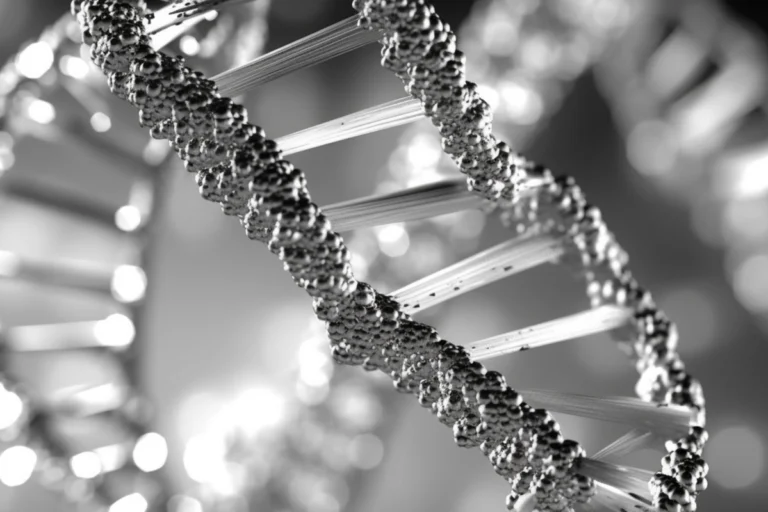
Prostate cancer begins when some cells in the prostate gland become altered and abnormal. These DNA mutations cause the cells to grow and divide faster than normal, and they also fail to die when they should, leading to their accumulation and the formation of a tumor. Over time, this tumor can invade nearby tissues and even spread to other parts of the body through metastasis.
Although there is no known exact cause for its appearance, various studies have identified risk factors that may favor these cellular alterations and increase the likelihood of developing prostate cancer.
See more frequently asked questions